In modern industrial sealing systems, non-metallic gaskets play a critical role in ensuring leak-free performance, operational safety, and cost efficiency. From chemical processing plants to HVAC systems, choosing the right non-metallic gasket material directly impacts system reliability and lifespan.
Unlike rigid metal seals, a non-metallic seal is designed to be flexible, compressible, and adaptable—making it ideal for a wide range of low to medium-pressure applications.
This comprehensive guide will help engineers, buyers, and procurement specialists fully understand non-metallic gaskets, including their properties, types, differences from metallic gaskets, and how to select the right one.
Non-metallic gaskets are sealing components made entirely from soft, flexible materials such as rubber, PTFE, graphite, and fiber composites. Their main function is to fill surface irregularities between mating flanges, preventing leakage of fluids or gases.
Made from non-metallic, compressible materials
Designed for low to moderate pressure systems
Excellent surface adaptability
Easy to install and replace
Because of their flexibility, these gaskets can conform to imperfect flange surfaces, ensuring effective sealing even in less-than-ideal conditions.
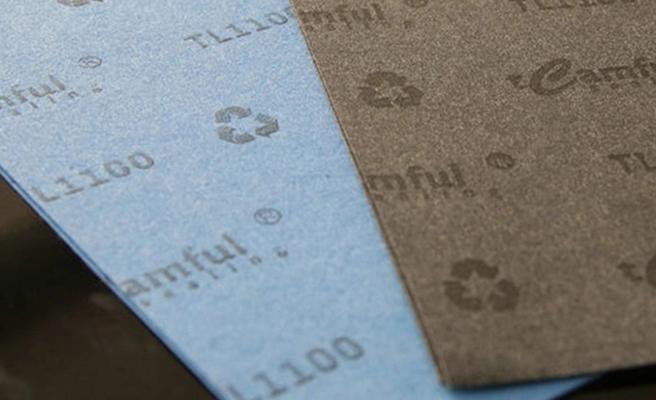
Understanding material properties is essential when selecting the right non-metallic gasket material.
Non-metallic gaskets deform under bolt load, filling microscopic gaps and ensuring tight seals.
Materials like PTFE and graphite offer outstanding resistance to acids, solvents, and corrosive media.
Suitable for low to medium pressure
Temperature resistance varies by material (e.g., graphite handles higher heat than rubber)
Compared to metallic options, non-metallic gaskets are generally more affordable and easier to manufacture.
Soft materials simplify cutting, shaping, and installation, reducing maintenance time.
Different applications require different materials. Below are the most widely used types:
Materials: NBR, EPDM, silicone
Applications: Water systems, HVAC
Advantages: Flexible, low cost
Excellent chemical resistance
Ideal for pharmaceuticals and chemical industries
Non-stick, contamination-free sealing
High temperature resistance
Suitable for steam and thermal applications
Widely used in oil, gas, and steam systems
Balanced performance and cost
Used for general industrial sealing
Good mechanical strength and flexibility
Non-metallic gasket materials are also available in sheets, rolls, or custom-cut shapes, depending on application requirements.
Understanding the distinction is crucial for proper selection:
| Feature | Non-Metallic Gaskets | Metallic Gaskets |
|---|---|---|
| Material | Rubber, PTFE, graphite | Steel, alloys |
| Flexibility | High | Low |
| Pressure Resistance | Low–Medium | High |
| Temperature Resistance | Moderate | Extreme |
| Cost | Lower | Higher |
| Applications | General industrial use | Heavy-duty, high-pressure systems |
Non-metallic gaskets excel in flexibility and chemical resistance, while metallic gaskets dominate in extreme conditions.
Non-metallic seals are used across a wide range of industries:
Pipe flanges and valves
Heat exchangers
Compressors
Corrosive fluid handling
Clean environments requiring contamination-free sealing
Pumps, pipelines, and duct systems
Hygienic sealing applications using PTFE or FDA-grade rubber
These applications highlight the versatility of non-metallic gasket materials in both industrial and commercial systems.
Selecting the correct gasket involves evaluating multiple factors:
Pressure level
Temperature range
Ensure the material resists the fluid or gas being sealed.
Flat face vs raised face
Surface roughness
Food-grade certifications
Industry standards
Balance budget with durability and lifecycle cost.
Non-metallic gaskets provide excellent flexibility and sealing performance, allowing them to adapt well to uneven surfaces. They are also cost-effective, chemically resistant, and easy to install and maintain.
Choosing the right non-metallic gasket depends on operating conditions such as temperature, pressure, and chemical exposure. It is also important to consider flange type and select a material that meets performance requirements.
Non-metallic gaskets are widely used in industries such as chemical processing, water treatment, and HVAC systems. They are also suitable for food and pharmaceutical applications where clean and reliable sealing is required.
Non-metallic gaskets are essential components in modern sealing systems due to their flexibility, chemical resistance, and cost efficiency. While they may not handle extreme conditions like metallic gaskets, their adaptability makes them indispensable for a wide range of industrial applications.
 Tel/WhatsApp 0086-28-85875509
  export@teamful.net
 English
 Español
 русский
 português
 Türkçe
 فارسی
فارسی