The core of Teamful Sealing's corporate culture is a value system composed of the key concepts of resolute execution, proactive striving, united collaboration, initiative communication, and value creation. These concepts interact with one another, forming a virtuous cycle and jointly driving our company's development.
We operate two major production bases in Chengdu and Jiangmen, covering a total area of over 50,000 square meters.
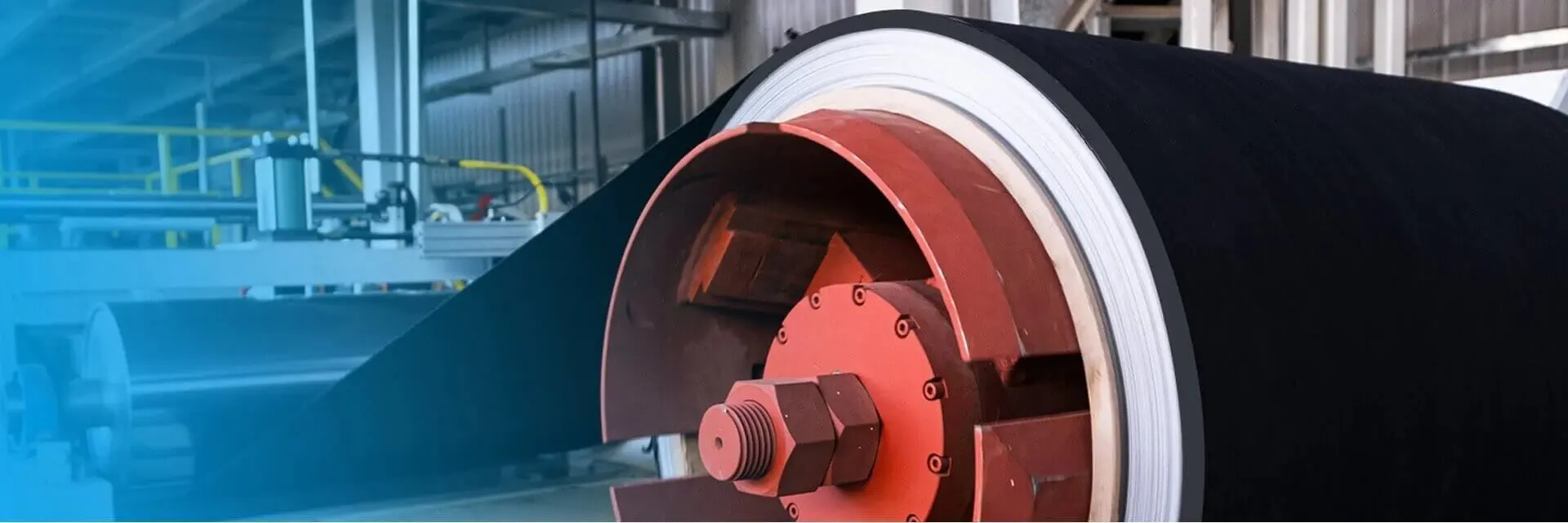
Jiangmen Teamful: It has an annual output of 10 million pieces of various sealing gaskets, 500,000 square meters of metal rubber coating materials, and a daily output of 4,000 meters on the coiled material production line.
Chengdu Teamful: It produces 15 million pieces of various sealing gaskets annually and 3,500 tons of non - asbestos sealing materials per year.
The overall production capacity utilization rate is about 70%, which can quickly respond to large - volume and customized demands.
We typically use moisture-proof and damage-proof packaging materials. Additionally, the outer packaging clearly indicates the goods information and warning signs to ensure safe transportation. If you have special packaging requirements, please inform us in advance, and we will provide you with the most suitable solution.
The company's quality control process is centered on the IATF16949 - 2016 Automotive Quality Management System. From the inspection of raw material procurement, full-process monitoring of production, to strict testing of finished products before leaving the factory, all links are implemented in accordance with the standards of this system to ensure the stability and reliability of product quality.
1.Professional technical support: Provide customers with professional guidance on product usage, maintenance, and troubleshooting, ensuring efficient resolution of issues.
2.Flexible return and exchange service: Offer a convenient return and exchange process for eligible cases, safeguarding customers' rights and interests.
3.Three guarantees for product quality: Strictly implement the three guarantees policy (guarantee of repair, replacement, and refund) for product quality, providing customers with reliable after-sales protection.
Our products strictly adhere to international compliance requirements and currently meet major international standards such as ROHS and REACH.
They should be stored in a dry, well-ventilated environment free of corrosive gases, and protected from direct sunlight and moisture.
Sealing materials are broadly classified by composition and form into: rubber, non-metallics, metals, composites, sealants, and other specialty sealing materials.
Reusing gaskets compromises sealing performance.
During initial installation and use, gaskets may undergo deformation (such as compression and aging) due to stress. Upon reuse, its ability to recover the original sealing force is impaired, increasing the risk of leakage.
We respond to customer-driven design changes through standardized change management procedures:
1. Feasibility Review: Upon receipt of the request, our technical team immediately assesses the impact on product performance, manufacturing processes, and lead time, while confirming every detail with the customer.
2. Internal Approval & Verification: We complete internal reviews, plan adjustments, sample trial production, and testing verification in accordance with the procedure to ensure the modified product meets requirements.
3.Customer Confirmation & Documentation
Real-time progress and test results are shared with the customer. Once mutually approved, the change is formally released and locked in writing, ensuring a controlled, traceable process that meets customer requirements without compromising product quality.
Material selection must integrate engine parameters (pressure, temperature, media compatibility) and the structure of the sealing part (e.g., flange face form) for a comprehensive decision.
Compression-recovery performance is critical to sealing effectiveness. Insufficient recovery prevents the gasket from fully conforming to the flange surface and from compensating for clearance changes caused by operating conditions such as temperature variations and vibration, ultimately leading to poor sealing and leakage.
Evaluate the lifespan through cyclic testing under simulated temperature conditions using an environmental test chamber.
Non-asbestos materials deliver superior mechanical properties, excellent machinability, and marked advantages in environmental compliance, safety, and sustainability.
Prior to shipment, non-asbestos gasket materials undergo four fundamental tests plus routine fluid-resistance evaluations (903# oil, Type B oil, coolant, distilled water) and sealing-performance checks for conformability, deformation, stress relaxation, oil sealing and gas sealing. All testing follows national standards equivalent to ASTM methods using calibrated equipment, with periodic instrument verification to ensure data accuracy.
Compared to traditional single-layer gaskets, multi-layer metal structures have multiple advantages in sealing performance through interlayer design:
1. The number of layers can be flexibly adjusted according to the thickness requirements of the assembly position to ensure precise fit with the sealing surface and avoid gaps caused by mismatched thickness;
2. For high-pressure working conditions, the design of multi-layer structure combined with pressure reinforcement can significantly improve the recovery performance, and even under pressure fluctuations, it can tightly adhere to the sealing surface, reducing the risk of leakage;
3. The multi-layer structure combines rigidity and elasticity, with interlayer buffering that can absorb vibration and compensate for slight deformation of the sealing surface. It has better sealing stability during long-term use, especially suitable for complex and harsh working environments.
RCM materials deal with corrosion of engine oil, coolant and other media through a dual approach:
1.Special treatment of metal substrates to enhance surface activity and improve corrosion resistance;
2.Select specialized bottom glue and rubber with excellent medium resistance to form an effective protective layer, thereby resisting various types of medium erosion.
The salt spray corrosion resistance test of RCM material refers to ASTM B117 standard and is conducted through neutral salt spray test: Samples are placed in a test chamber that simulates a salt spray environment and continuously exposed to a specified concentration of salt spray. The corrosion degree of the material surface is observed according to the set duration to evaluate its corrosion resistance performance in the salt spray environment.
Suitable for various special and complex environments such as high and low temperatures, high pressures, and high vibrations.
By precisely controlling coating thickness, curing temperature, and surface pretreatment, the coating process endows rubber-coated metal materials with strong adhesion, high rubber strength, minimal creep, excellent compression-recovery, and stable, long-lasting sealing performance.
The sealing parts of the cylinder body (cylinder head, cylinder gasket, etc.) of diesel and gasoline engines and brake muffler pads.
Air compressors, transmissions, diesel engine cylinders, water tank.
1. Routine testing, each batch testing: adhesion testing, compress recovery testing/impact resistance testing.
2. Special sampling tests: Pull off test, medium resistance test, creep test. The sampling frequency shall be implemented according to the inspection standards.
Generally, our MOQ for series material products is 2500 kg. However, for customized products, a higher MOQ may be required to consider production costs and economies of scale. Regarding the production lead time, we will arrange it promptly after confirming the customer's order and complete it as soon as possible while ensuring product quality. Typically, the production cycle for conventional products takes around 35 working days; however, some customized products' production cycle may prolong due to factors such as process and materials. If you require more specific information on MOQ or production lead time, please contact our sales representatives at any time.
We usually export from Shanghai, Guangzhou, Shenzhen, and Ningbo Port of China. In accordance with international trade terms interpretation, we commonly operate import and export trades business using FOB, CFR, and CIF price terms. If you require other incoterms, both parties can confirm the costs based on your specific needs.
 Tel/WhatsApp 0086-28-85875509
  export@teamful.net
 English
 Español
 русский
 português
 Türkçe
 فارسی
فارسی