In modern industrial systems, sealing performance directly determines safety, efficiency, and reliability. Among all sealing materials, sealing gasket rubber stands out as one of the most versatile and widely used solutions.
From pipelines and automotive engines to HVAC systems and industrial machinery, rubber seals and gaskets provide reliable sealing under varying pressure, temperature, and environmental conditions. Their flexibility, durability, and cost-effectiveness make them a preferred choice across industries.
This guide explores everything you need to know about sealing gaskets, including their functions, benefits, applications, and how to choose the right product from professional seal gasket manufacturers.
Sealing gasket rubber refers to elastomer-based materials used to create a tight seal between two mating surfaces, preventing leakage of liquids, gases, or contaminants.
A rubber gasket works by compressing between surfaces and filling microscopic gaps, forming a reliable barrier against leakage.
Flexible and compressible
Excellent sealing capability
Resistant to pressure and vibration
Adaptable to irregular surfaces
Unlike rigid materials, rubber can deform and recover, ensuring a tight seal even under dynamic conditions.
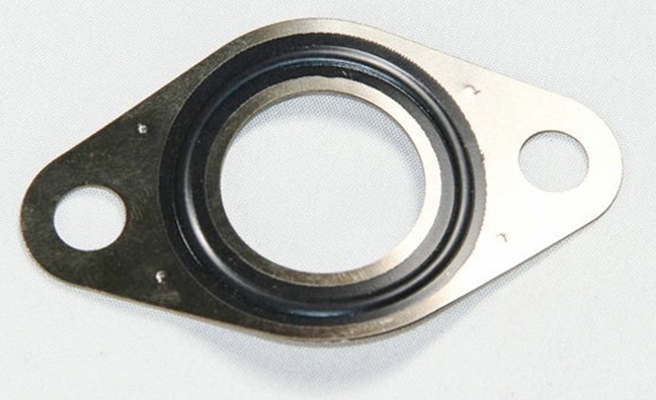
The primary function of sealing gasket rubber goes beyond simply preventing leaks—it ensures system integrity and operational stability.
Rubber gaskets create a tight seal that prevents leakage of fluids and gases, protecting equipment and maintaining system efficiency.
They block dust, moisture, and external contaminants from entering systems, which is critical in sensitive environments such as electronics and medical devices.
Rubber materials absorb shock and vibration, reducing wear and improving equipment lifespan.
Rubber gaskets maintain sealing performance under varying pressure conditions, ensuring stable operation in pipelines and machinery.
Certain rubber materials provide resistance to heat, UV exposure, and chemicals, enhancing durability in harsh environments.
The popularity of rubber seals and gaskets comes from their unique combination of properties.
Rubber’s elasticity allows it to conform to uneven surfaces, creating a leak-proof seal even under compression.
Rubber gasket materials can withstand repeated compression, vibration, and exposure to harsh conditions, ensuring long service life.
Different rubber compounds (EPDM, NBR, silicone, Viton) offer resistance to:
Oils and fuels
Acids and chemicals
High and low temperatures
This makes sealing gaskets suitable for diverse industries.
Rubber gaskets can be molded into various shapes and sizes, allowing custom solutions for specific applications.
Compared to metal or composite gaskets, rubber offers a lower cost with high performance, making it ideal for large-scale industrial use.
Choosing the right rubber gasket material is essential for performance.
| Material | Key Properties | Typical Applications |
|---|---|---|
| EPDM | Weather, UV, and steam resistance | HVAC, outdoor sealing |
| Nitrile (NBR) | Oil and fuel resistance | Automotive, machinery |
| Silicone | High temperature resistance | Food, medical, electronics |
| Neoprene | Moderate chemical resistance | General industrial use |
| Viton (FKM) | High chemical and heat resistance | Chemical processing |
Each material is designed for specific operating conditions, making material selection critical.
Rubber gaskets ensure leak-proof connections in water, gas, and chemical pipelines.
Used in engines, fuel systems, and transmissions to prevent fluid leakage and maintain performance.
Rubber seals help maintain airtight systems and improve energy efficiency.
Provide insulation and environmental protection for sensitive components.
Food-grade rubber gaskets ensure hygiene and prevent contamination.
Used in doors, windows, and structural joints for sealing and insulation.
Teamful Seal is one of the trusted seal gasket manufacturers providing high-performance rubber sealing gaskets for industrial applications.
Wide range of rubber materials (EPDM, NBR, silicone, etc.)
Custom design and manufacturing capabilities
High durability and sealing performance
Competitive pricing and fast delivery
Teamful Seal focuses on delivering reliable, customized sealing solutions that meet the demands of modern industries.
Sealing gasket rubber is used in industries such as automotive, plumbing, HVAC, oil and gas, and manufacturing. It is commonly applied in pipelines, machinery, and equipment to prevent leaks and ensure system efficiency.
Choose a sealing gasket rubber based on temperature, pressure, chemical exposure, and application requirements. Selecting the right material and hardness ensures optimal sealing performance and durability.
Sealing gasket rubber offers excellent flexibility, strong sealing performance, and resistance to chemicals and temperature. It is also cost-effective and adaptable to various industrial applications.
Sealing gasket rubber is a critical component in modern industrial systems, offering reliable sealing, durability, and versatility across a wide range of applications.
With the right material selection and expert manufacturing, rubber seals and gaskets can significantly improve system performance, reduce maintenance costs, and enhance operational safety.
For businesses seeking dependable sealing solutions, working with experienced seal gasket manufacturers like Teamful Seal ensures long-term reliability and optimized performance.
 Tel/WhatsApp 0086-28-85875509
  export@teamful.net
 English
 Español
 русский
 português
 Türkçe
 فارسی
فارسی